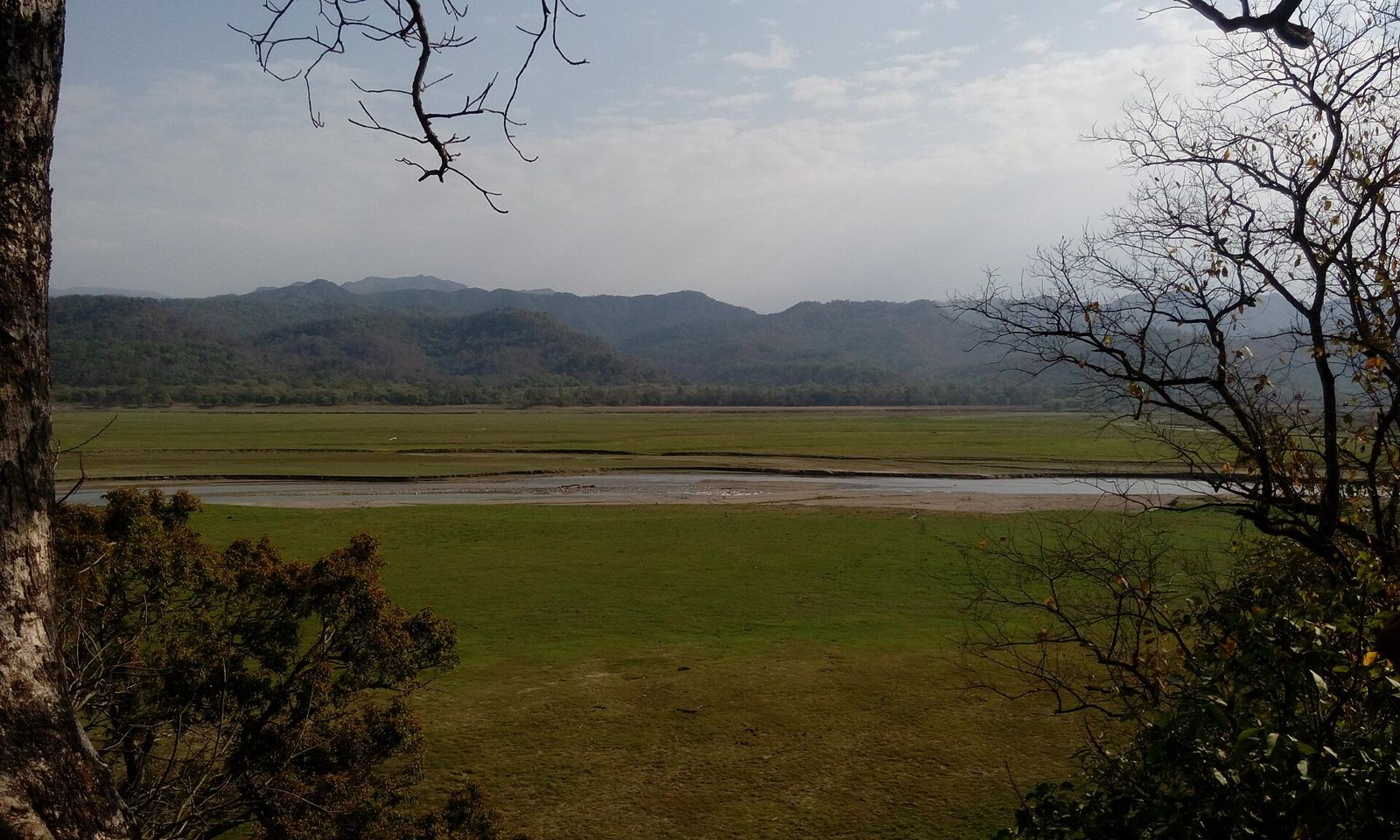
India's oldest national park, 260 km from Delhi
The Jim Corbett guide
Photo: Rishabjain007 · CC BY-SA 4.0

Corbett is where Indian conservation began — the country's first national park in 1936, the launchpad of Project Tiger in 1973, and still the place where sal forest, elephant grass and the Ramganga's braided channels compose the classic north Indian wilderness. Tigers live here in real numbers; seeing one remains, as it should be, luck.
The trip runs on the park's clock, not yours. Safaris are permit-limited by zone and booked ahead on the official portal, private cars never enter with tourists, and the famous Dhikala grasslands are reserved for those who book the forest rest houses inside. We plan the drive backwards from your safari slot — that is the whole trick of this route.
Distance
260 km one way
Drive time
5–6 hours
Charging
1 stop, 45-60 min
One-way fare
about ₹7,200
Best time
15 November to 15 June is the full-park season; most zones close through the monsoon and only a few stay open, so a July–October trip needs the right zone booked specifically
Worth the trip
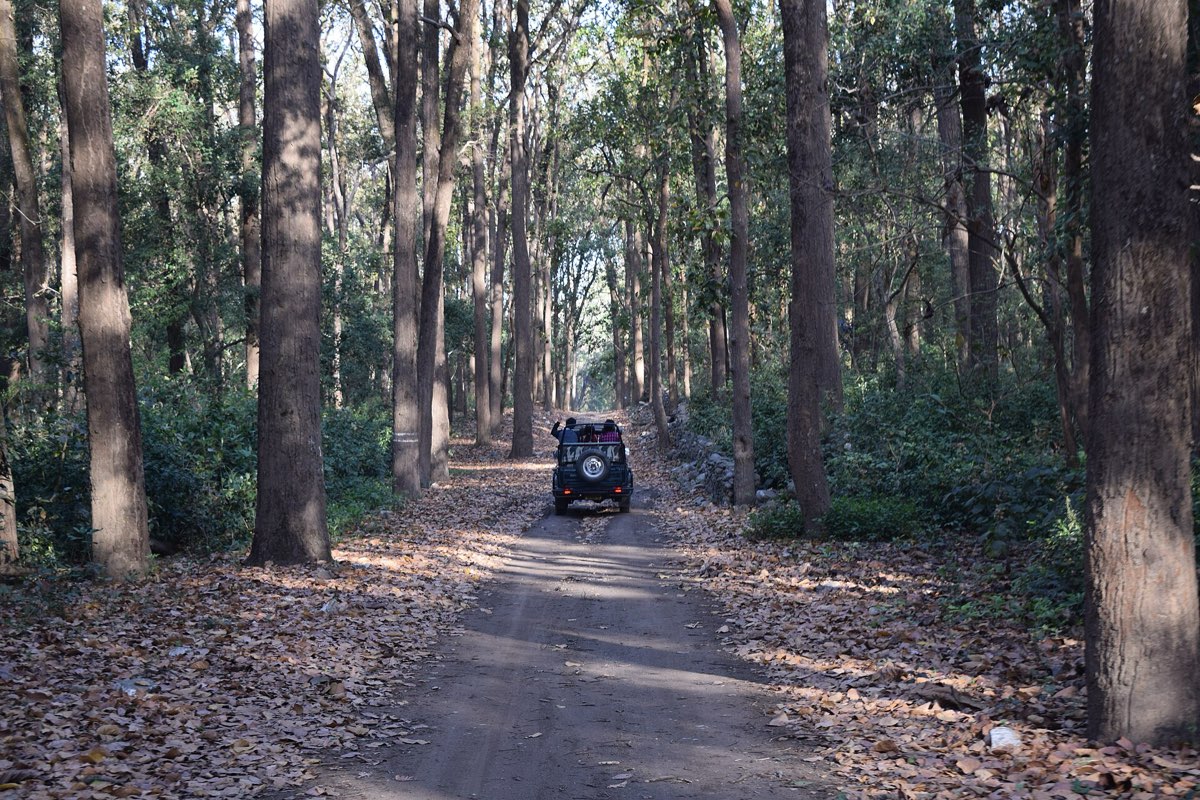
Photo: Dushyant Kaushik · CC BY-SA 4.0
01
The jeep safari
The core Corbett experience: a registered open Gypsy, a guide, and a dawn or afternoon shift inside your permitted zone — Bijrani and Jhirna are the classic day-visit zones. Permits are zone-specific, capped and booked ahead; the vehicle and guide are hired at the gate.
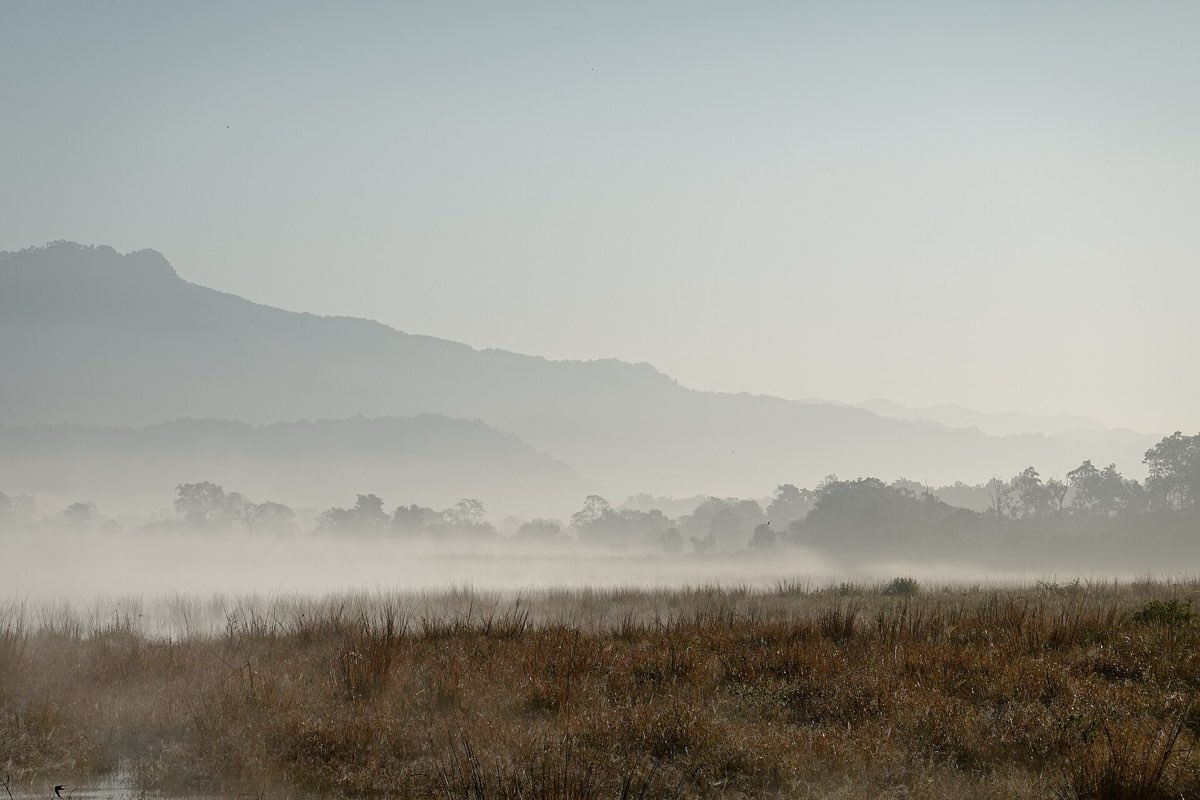
Photo: Timothy Gonsalves · CC BY-SA 4.0
02
Dhikala and the Ramganga grasslands
The park's storied core — chaurs of elephant grass running to the Ramganga reservoir, herds of chital and wild elephant, and the best tiger habitat in the reserve. Staying inside means booking the forest rest houses months ahead; the reserve's own canter service does day runs.
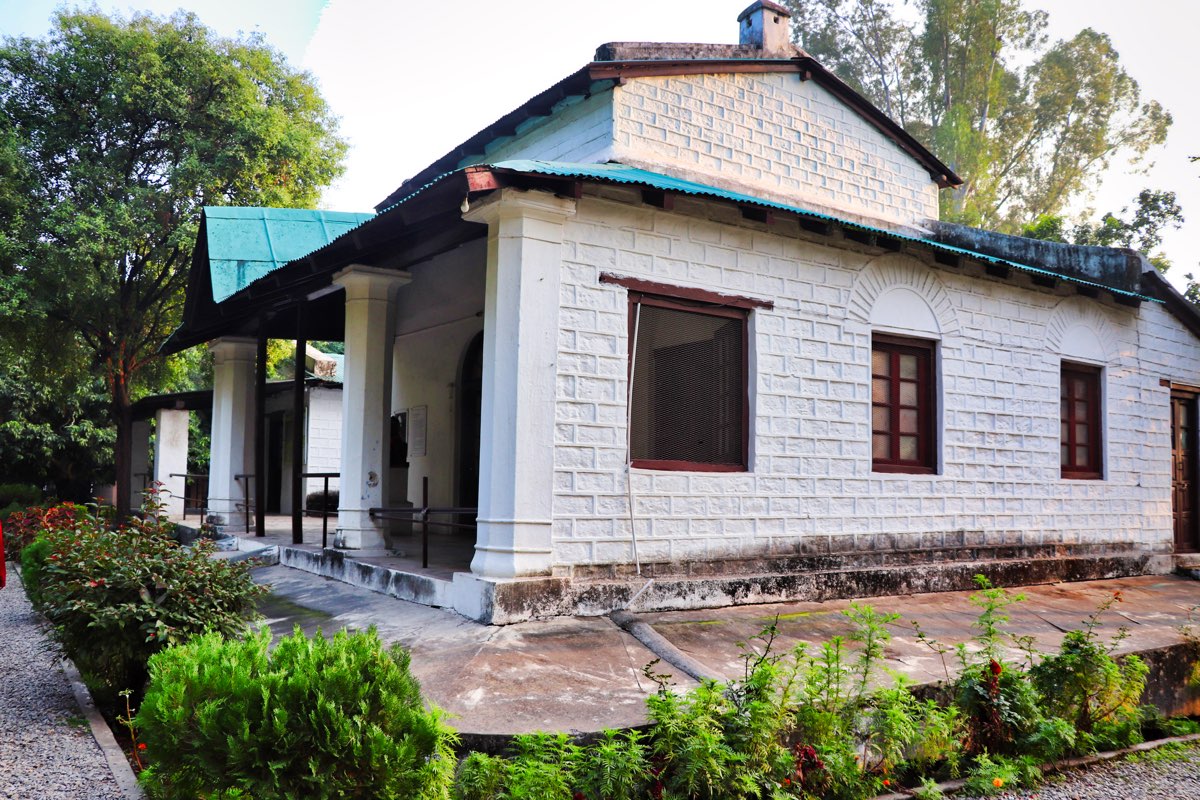
Photo: Harshoo19741 · CC BY-SA 4.0
03
Corbett Museum, Kaladhungi
Jim Corbett's winter home, kept as a small museum to the hunter of man-eaters who became the park's fiercest protector — letters, photographs and the modest rooms he actually lived in. Half an hour of quiet context that improves every safari after it.
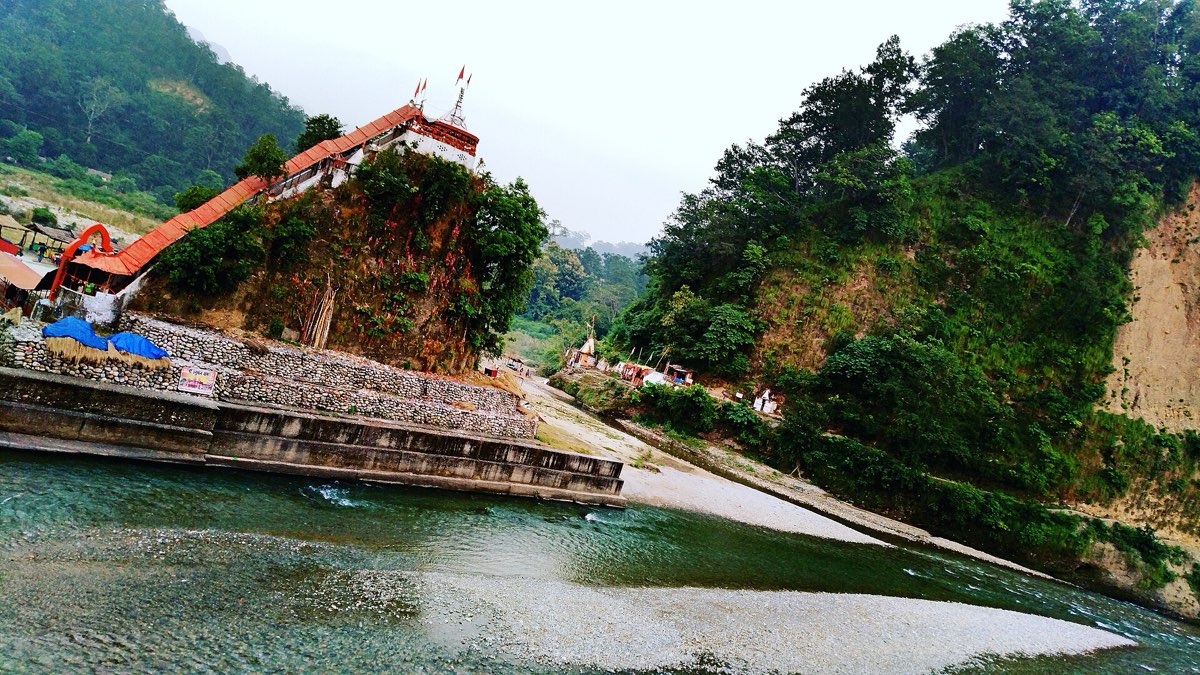
Photo: Flemingmathew · CC BY-SA 4.0
04
Garjia Devi Temple
A shrine stacked on a lone rock in the middle of the Kosi riverbed, just outside Ramnagar — you climb the stair with the river running past on both sides. Between safaris it is the area's one essential non-wildlife stop.
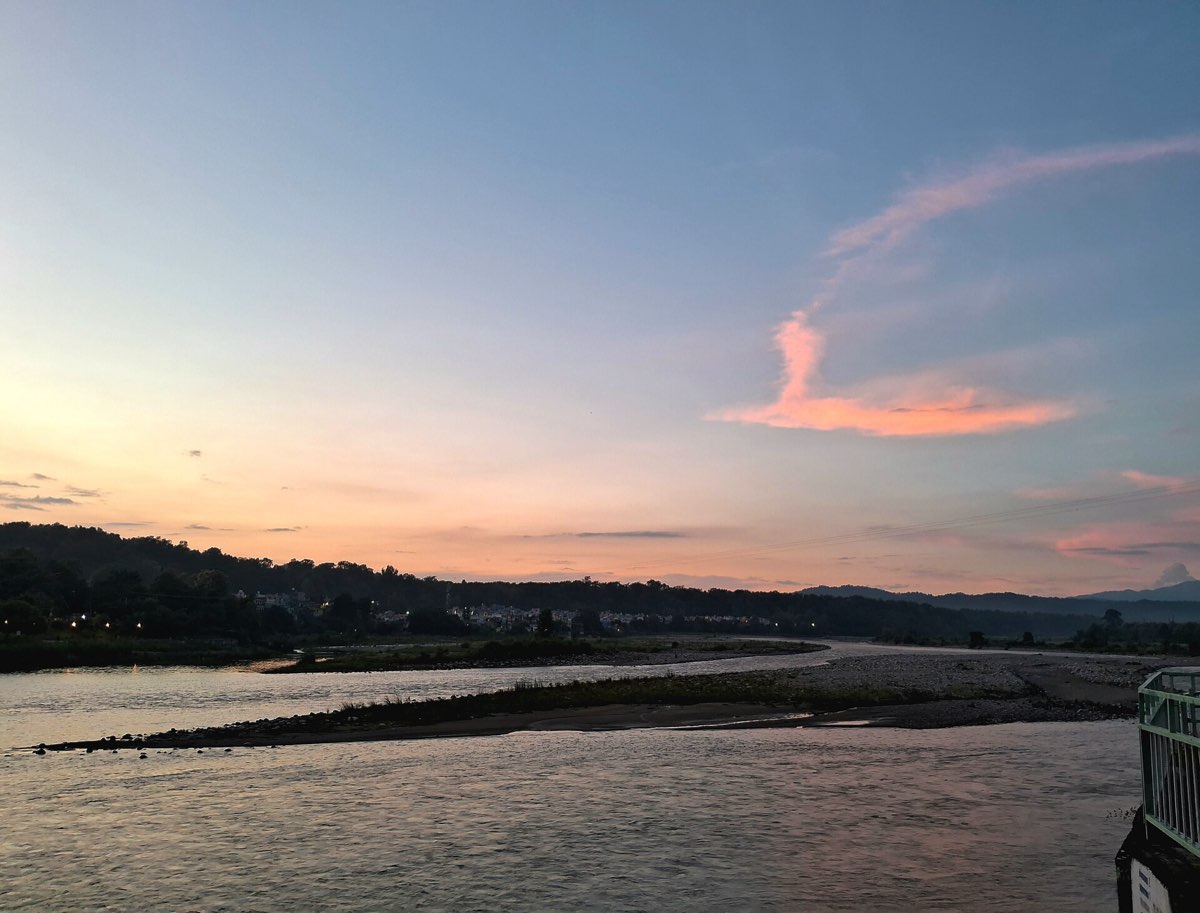
Photo: Divyansh Fulara · CC BY 4.0
05
The Kosi riverside
The boulder-bedded river that runs the park's eastern boundary, with most of the resorts strung along it. Mahseer hold in its pools, elephants cross it at dusk, and doing nothing on its bank is a legitimate Corbett activity.


The itinerary, with Shoffr
Built around the real drive: 260 km on NH9 via Moradabad, five to six hours with the 45–60 minute charging stop at Moradabad — the last dependable fast charger on the corridor, so we arrive with range in hand. Two days and one night, with the departure set by your safari slot.
Day 1 — the drive, the river, the temple on the rock
6:00
Leave Delhi, permit already booked
You book the safari permit on the portal before anything else; we set this departure from it. The Moradabad charging stop is the brunch break.
13:00
Check in on the Kosi
Lunch at the resort, and the river doing its slow silver thing outside. Confirm tomorrow's gate and reporting time with the safari operator today, not at dawn.
16:00
Garjia Devi, or Corbett's house at Kaladhungi
The rock temple is twenty minutes away; the museum about forty-five. Either fills the golden hour — both if you are efficient and the museum hasn't closed.
Day 2 — dawn in the park, then home
5:30
Transfer to the safari vehicle
Your car drops you at the reception office or zone gate; a registered Gypsy and guide take it from there. Cold rides until the sun clears the sal — dress for it.
11:00
Brunch by the Kosi
Back from the zone with whatever the forest gave you. Shower, eat, pack without hurry.
13:00
The road home
Out through Kashipur and Moradabad, mirror of the way up. Leave by 13:00 and you are in Delhi by early evening.
Travel notes
- Book the safari permit on the official portal the moment your dates are fixed — zones sell out days or weeks ahead, and everything else about this trip hangs off that slot. Send it to us and we plan the departure backwards.
- Dhikala is not a day-trip zone by jeep: staying inside means forest rest house bookings that open and vanish months out, or the reserve's canter for a day run. Decide which Corbett you want before you book anything else.
- October-to-March safari mornings are genuinely cold in an open Gypsy — bring a windproof jacket and something for your ears, not a shawl.
Do it in a Shoffr
A BYD e6 electric SUV, a chauffeur trained and paid on guest care, and a fare fixed the moment you book. The road facts — fares, tolls, the charging plan and its backup — live on the Delhi to Jim Corbett route page.
Book the Jim Corbett trip